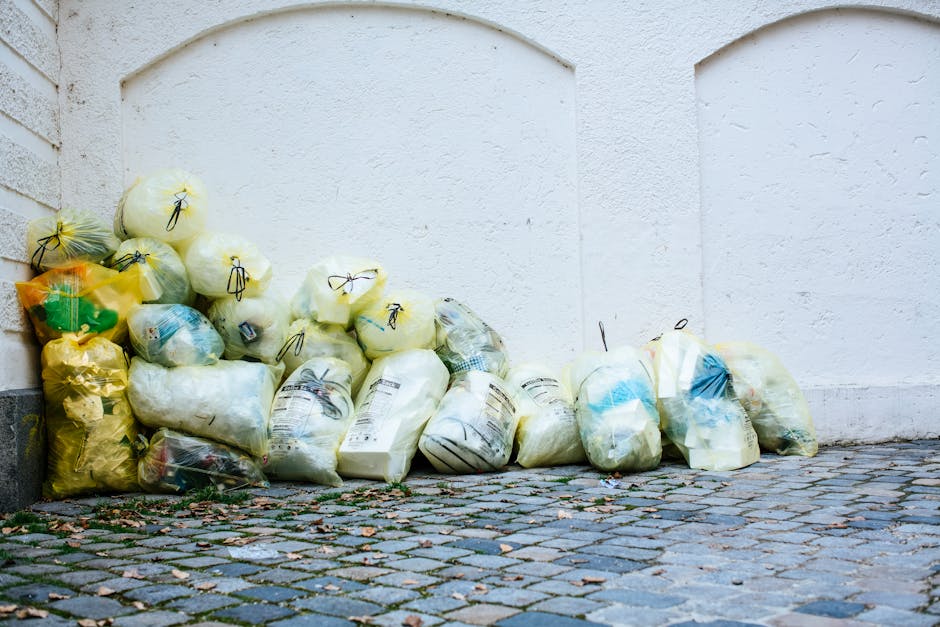
Kensington and Chelsea council rules for cleaning waste
Posted on 06/07/2026

Kensington and Chelsea council rules for cleaning waste: a practical local guide
If you live, work, rent, or manage property in west London, the everyday question is usually not whether waste should be cleared away, but how to do it properly. The details matter. Kensington and Chelsea council rules for cleaning waste affect what you can put out, when you can put it out, how you should separate it, and what happens when a cleaner, landlord, tenant, or office manager gets it wrong. That can mean missed collections, a mess on the pavement, complaints from neighbours, or in some cases a fine. This guide breaks the subject down in plain English so you can stay compliant without turning waste management into a full-time job.
We will cover the rules in a practical way, with a focus on everyday cleaning waste, bulky items, recycling, responsible disposal, and the small habits that make life easier in a dense London borough. If you are planning a deep clean or a one-off clear-out, a little local know-how goes a long way. And yes, the timing can be oddly important.
Why Kensington and Chelsea council rules for cleaning waste matter
Waste rules are easy to ignore until they become visible. In a place like Kensington and Chelsea, where streets are busy, pavements are narrow, and many homes are flats or period buildings, badly managed waste stands out quickly. A bin left out too early, a black bag split open by gulls, or a pile of renovation debris near a doorway can cause instant friction with neighbours and building managers. Let's face it, nobody wants to be "that flat" on collection day.
The borough's approach is designed to keep streets clean, protect public health, and stop blockages around shared entrances and loading areas. That means the rules do not just exist for council teams; they shape how residents, landlords, cleaners, and businesses should behave every day. A cleaning job is not finished if the waste is still sitting in the hallway.
This matters even more for end-of-tenancy cleans, post-event clear-ups, and deeper domestic work. If you are arranging a proper reset of a property, you may want to pair waste handling with a service such as deep cleaning support in Knightsbridge or end-of-tenancy cleaning in Knightsbridge, because the best clean is the one that leaves no loose ends behind. Waste is one of those loose ends.
Expert summary: The safest way to approach local waste rules is simple: sort it, store it neatly, put it out at the right time, and use the correct disposal route for anything that will not fit in the ordinary collection. Consistency beats improvisation.
How Kensington and Chelsea council rules for cleaning waste works
At a practical level, the rules are about three things: separation, presentation, and timing. First, waste should be separated into the right streams where possible, especially recycling, food waste, and general rubbish. Second, it should be presented in the right container, sack, or bin. Third, it should be put out only according to the collection schedule or any building-specific arrangement.
For many residents, the biggest mistake is assuming a clean-up can happen at any time and the waste can simply be left outside until someone collects it. In reality, collections are usually tied to fixed schedules, and some properties have stricter arrangements because they share entrances, bin stores, or concierge systems. In an apartment block, the rules can be more about building discipline than about the cleaning itself.
Cleaning waste also needs to be understood by type. A bag of vacuum dust, wipes, and packaging is very different from a dismantled wardrobe, broken glass, old paint tins, or food-soiled items after a party. A cleaner may be helping to clear the property, but the responsibility for proper disposal often sits with the occupier, landlord, or managing agent. That distinction matters. A lot.
For households and property managers, the most useful mindset is to treat waste as part of the clean, not an afterthought. If you are already planning a spring reset, a service like spring cleaning in Knightsbridge can fit neatly around a proper waste plan, especially in larger homes where clutter accumulates behind doors, under beds, and in utility areas. In our experience, those hidden corners are where the trouble starts.
Key benefits and practical advantages
Following the borough's rules properly is not just about avoiding hassle. It makes cleaning more efficient, keeps communal spaces presentable, and reduces the chance of repeat work. When waste is managed well, the entire property feels calmer. You notice it straight away, even before the last surface is wiped down.
- Fewer missed collections: Proper sorting and timing reduce the odds of bags being left behind.
- Cleaner common areas: This matters in flats, mansion blocks, and offices where shared space creates extra visibility.
- Lower contamination risk: Mixed recycling or food waste can spoil an otherwise tidy disposal process.
- Less neighbour friction: Nobody complains about a system that runs smoothly.
- Better handovers: Especially useful at the end of a tenancy or before an inspection.
There is also a reputational benefit. Landlords, letting agents, and office managers tend to notice property teams that handle waste neatly. It suggests the rest of the maintenance process is organised too. That is one reason many clients combine waste-related prep with house cleaning in Knightsbridge or office cleaning services when a space needs a proper reset. Even though the exact cleaning job may vary, the standards remain the same: tidy, safe, and considerate.
Who this is for and when it makes sense
This topic is relevant to more people than you might think. If you live in a flat above a shop, manage a townhouse, operate an office, or are simply trying to clear out after a busy week, the waste rules touch your routine. The more shared your building is, the more important the rules become.
You should pay close attention if you are:
- a tenant preparing to move out
- a landlord arranging a pre-let refresh
- a homeowner doing a deep declutter
- a cleaner handling post-visit rubbish
- an office manager overseeing everyday waste
- a building porter or concierge helping residents stay organised
- someone hosting an event or party and dealing with aftermath
It also makes sense to think about waste rules before you book a substantial cleaning appointment. For example, if you know furniture, packaging, or broken household items need moving, it is better to plan that alongside the clean rather than scrambling afterwards. If you are comparing services, the company overview at services overview can help you think through which type of support fits the job. And if access is awkward, which in London it often is, you may find the practical notes in access issues for flat cleaners surprisingly useful.
Step-by-step guidance
If you want to stay on the right side of local waste expectations, work through the job in stages. It is less glamorous than "just chuck it out," but much less stressful too.
- Identify the waste type. Separate everyday rubbish, recycling, food waste, bulky household items, and anything hazardous or sharp.
- Reduce what you can. Keep reusable packaging, move donations aside, and avoid mixing clean recyclables with food waste.
- Use the correct containers. Bin bags, communal bins, recycling boxes, and building stores all have different expectations. Do not guess if the building has a set system.
- Keep waste inside until the right time. Early placement can cause obstruction, complaints, or spillages before collection.
- Double-check bulky items. Furniture, mattresses, and awkward debris often need a special collection or another disposal route.
- Protect shared areas. If you are carrying waste through hallways or lifts, wrap and seal it properly so nothing leaks.
- Clean the route afterwards. A quick sweep of the entrance, landing, or lift floor can prevent odours and mess from spreading.
- Record what was removed. For landlords and managing agents, a simple note or photo can help with handovers and disputes later.
If the job is bigger than a standard bin-day clear-out, it is often sensible to fold waste handling into a broader property clean. A service like domestic cleaning in Knightsbridge can help with routine turnover tasks, while a more targeted refresh such as one-off cleaning is often better for the occasional deep clear-out. The key is to avoid treating disposal as a separate emergency after the clean is finished.
A quick real-world note
We have seen the same pattern repeatedly: the job looks complete at 4:30 p.m., everyone is relieved, and then the waste bags sit by the front door because collection is not until the next day. That is when the problem begins. If you have ever walked back into a building lobby at 7 a.m. and found the smell of cleaning cloths, cardboard, and old food lingering in the air, you will know exactly what I mean.
Expert tips for better results
There are a few small habits that make waste handling much easier, especially in Kensington and Chelsea where space is at a premium and neighbours notice everything. None of these are dramatic. They just work.
- Keep a "cleaning waste" bag separate from general rubbish. This helps sort items before they become a mixed mess.
- Label bulky discard piles in advance. Even a handwritten note helps household members avoid moving the wrong item back into storage.
- Use sturdy liners. Thin bags split at the worst possible moment. Usually near the stairs. Of course.
- Schedule cleaning and disposal together. If you are booking a carpet or upholstery clean, ask yourself what waste will be created during the process.
- Think about traffic flow. In narrow hallways, stage waste so people can still pass safely.
- Handle event waste immediately. Party debris, glass, packaging, and food waste should not be left until morning if it can be dealt with sooner.
For properties with fabrics, rugs, and delicate surfaces, planning matters even more. A cleaner may remove dust and debris from the soft furnishings, but you still need a sensible route for used packaging, damaged accessories, and disposable cloths. If you want to understand that side of the job better, carpet cleaning in Knightsbridge and the SW1X rug cleaning guide show how surface care and waste management tend to go hand in hand.
Small tip, but a good one: keep a box of bin bags, gloves, and tape near your cleaning kit. It saves that awkward moment when you are hunting for supplies with one bag already torn and the clock ticking.

Common mistakes to avoid
Most waste problems do not come from bad intentions. They come from rush, assumption, or a "that should be fine" attitude that turns out not to be fine at all.
- Leaving waste out too early. This is one of the easiest ways to create a street issue or attract vermin.
- Mixing recyclables with contaminated waste. Once mixed, a whole batch can become less useful.
- Blocking entrances or shared corridors. Even for a short time, this can upset neighbours and create a safety risk.
- Ignoring building-specific rules. Many blocks have their own bin-store routines, and they matter.
- Forgetting about bulky item handling. A sofa, old mattress, or broken appliance is not the same as ordinary domestic rubbish.
- Assuming cleaners will dispose of everything. Clarify responsibilities early. No one enjoys a misunderstanding on the doorstep.
- Using the wrong bag strength. Heavy waste needs a stronger liner, otherwise you are cleaning the floor twice.
Another common slip is leaving final disposal decisions until after the clean. By then, the property looks good, everyone wants to finish, and the chance of shortcuts rises. That is how people end up with "temporary" rubbish piles that stay temporary for far too long.
Tools, resources and recommendations
You do not need fancy equipment to handle cleaning waste well. In most homes, the basics are enough, but they need to be sensible basics.
| Tool or approach | Best for | Why it helps |
|---|---|---|
| Heavy-duty bin bags | General cleaning waste | Reduces splits and leaks during carrying |
| Separate recycling box or sack | Paper, cardboard, clean packaging | Makes sorting faster and cleaner |
| Reusable lidded container | Small project waste | Keeps items contained between cleaning stages |
| Gloves and wipes | Sharp, dirty, or damp waste | Improves hygiene and handling safety |
| Labels or tape | Shared homes and property turnovers | Prevents confusion during a busy clean |
| Checklist on paper or phone | Landlords, tenants, cleaners | Stops items being overlooked in the final sweep |
For readers planning a broader refresh, it can also help to look at a full service approach rather than chasing individual jobs one by one. The page on pricing and quotes is useful if you want to understand how a cleaning job may be structured, while request a quote is the natural next step when the project includes more than simple tidying. If you want to know more about the company background and standards before going further, about us and insurance and safety are both worth a look.
For people who like to plan their own work, a short written checklist often beats memory. Memory is fine until the fifth bag, then it gets a bit wobbly. Truth be told, that happens to everyone.
Law, compliance, standards, and best practice
It is best to treat local waste handling as a compliance issue, not just a tidiness issue. UK waste duties generally expect waste to be stored safely, handled responsibly, and transferred only through appropriate channels. In plain language: do not dump it, do not obstruct public space, and do not mix up waste streams in ways that create extra risk or contamination.
For residents and property teams in Kensington and Chelsea, that usually means paying attention to:
- local collection times and storage expectations
- shared building rules for bin stores and service areas
- separation of recycling and general waste where possible
- special handling for sharp, messy, or bulky items
- safe access routes for cleaners, tenants, and porters
Where you are unsure, the safest approach is to check the specific property or building arrangement before waste is put outside. This is especially true for larger cleans, short-notice turnovers, or event aftermaths where there is more waste than usual. If you are dealing with a lively post-party clear-up, the article on emergency cleaning after events gives a good sense of how quickly the job can become messy if the waste plan is not thought through.
Best practice in one line: keep waste inside the system, not on the pavement, and not in someone else's way.
Options, methods, and comparison table
Different waste situations need different methods. A one-bin household clean is not the same as a landlord turnover or a full office clear-out. Here is a practical comparison to help you choose the right route.
| Method | Best for | Pros | Limitations |
|---|---|---|---|
| Routine bin collection prep | Everyday domestic waste | Simple, low-cost, familiar | Not suitable for bulky or specialist waste |
| Coordinated cleaning and disposal | Deep cleans and turnovers | Efficient, tidy, easier handover | Needs planning and clear responsibility |
| Special collection or separate disposal route | Bulky items, awkward debris, some mixed waste | Safer and more compliant | May require extra scheduling |
| Professional clean with waste staging | Busy homes, flats, offices | Controlled, neat, good for shared spaces | Depends on building access and timing |
For many local properties, the best answer is a hybrid one. You use routine collections for most of it, then make a separate plan for anything bulky or awkward. That is often the difference between a smooth clean and a mildly chaotic afternoon. If you want a fuller picture of related property upkeep, maximizing property value in Knightsbridge and buying property wisely in Knightsbridge both reinforce how upkeep, presentation, and sensible operations affect long-term value.
Case study or real-world example
A common scenario goes like this. A tenant is leaving a two-bedroom flat near a busy high street. The property needs a final clean, and there is a fair amount of waste: broken packaging, a few kitchen items, old cleaning cloths, and a dismantled shelf that will not fit into the normal bin. The first instinct is to tidy everything at once and worry about the rest later.
Instead, the better approach is to sort items into three groups before the final clean begins: ordinary rubbish, recycling, and bulky waste. The ordinary waste goes into the correct bin bags. Clean cardboard and packaging go separate. The shelf and other awkward items are staged neatly so they do not block the entrance. The cleaner then works through the property without having to step over debris, and the final sweep is quicker because the waste path was controlled from the start.
The result is not dramatic, which is kind of the point. No complaints, no hold-up at the door, no awkward last-minute panic. Just a cleaner property, a smoother handover, and less chance of the landlord asking why the corridor still looks half-finished. Simple wins. They really do add up.
Practical checklist
Use this checklist before, during, or after a cleaning job that generates waste.
- Have I identified every waste type in the property?
- Have I separated recycling, general waste, and bulky items?
- Do I know the correct collection time or disposal route?
- Have I checked whether the building has its own bin-store rules?
- Are waste bags strong enough for the contents?
- Will any bags or items block doors, corridors, lifts, or shared entrances?
- Have I planned for food waste, broken items, or sharp materials?
- Do I need to document anything for a landlord, agent, or managing company?
- Have I cleaned the route after moving the waste out?
- Is there anything too large or unsuitable for ordinary collection?
If you can answer "yes" to most of those, you are already ahead of the game. And if you cannot, that is fine too. Better to catch it now than at 8 a.m. on collection day when everyone else is trying to leave the building.
Conclusion
Kensington and Chelsea council rules for cleaning waste are really about one big idea: keep your property clean without creating a problem for the street, the building, or the people who live around you. Once you see it that way, the rules feel less like red tape and more like a sensible framework for local living. Sort waste early, use the right containers, time collections properly, and respect shared spaces. That is the heart of it.
For homes, flats, landlords, and offices, the best results come from planning waste management as part of the clean itself. It saves time, reduces stress, and gives the property a properly finished feel. Not perfect, maybe. But very close.
If you want help with a more substantial clean or need support putting the whole job together, it is worth exploring the available options and choosing a service that matches the scale of the task.
Get a free quote today and see how much you can save.